The more these systems anticipate and deliver what we want, the less we notice what’s missing—or remember that we ever had a choice in the first place. But remember: If you’re not choosing, someone else is. And that person is responding to incentives that might not align with your values or best interest.
Technology
Laptop Sticker Art
stickertop.artDesk Stops
deskstop.computer


The Validation Machines
theatlantic.comKickback Bluetooth CD Player
kickback.world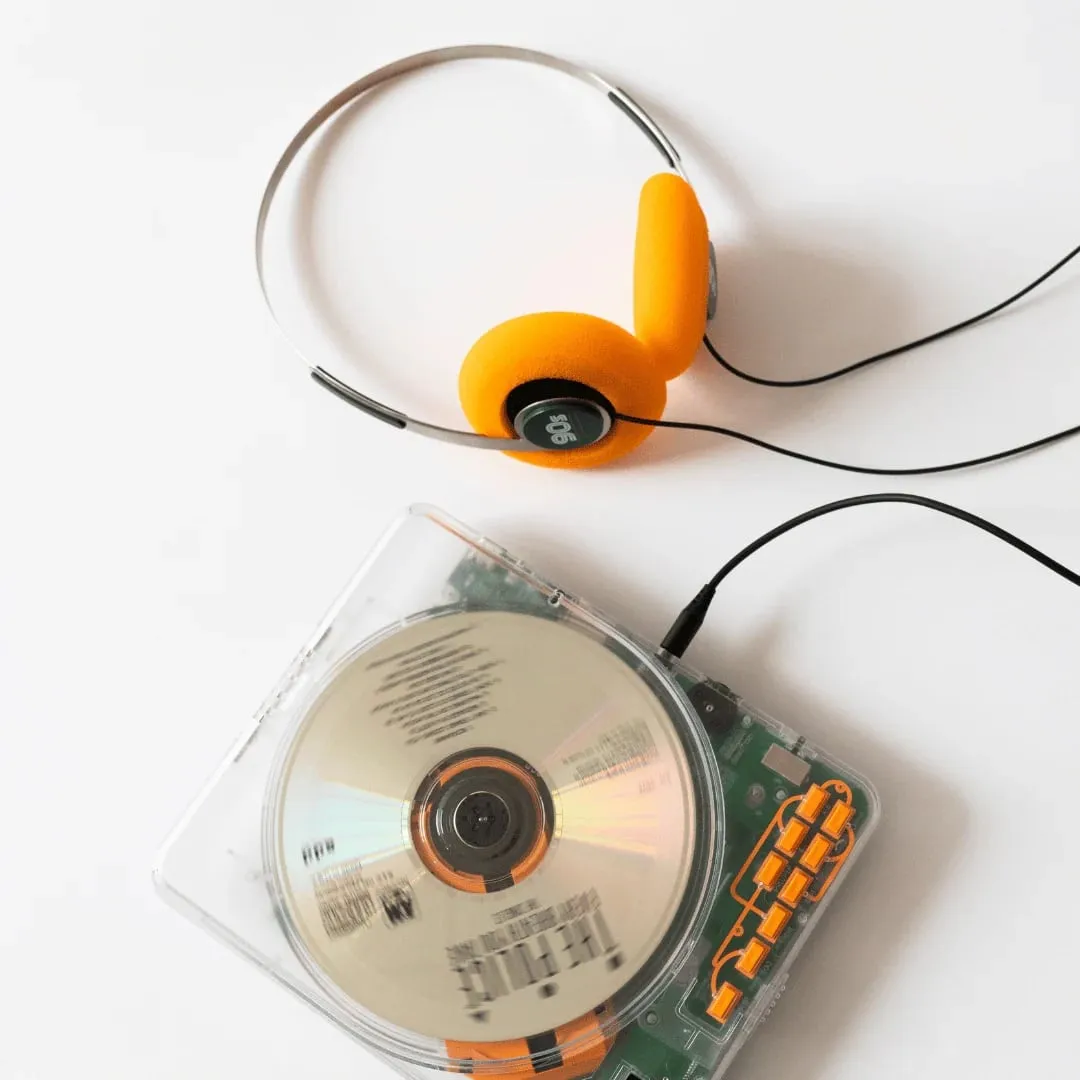
DOCTYPE Magazine
vole.wtf’80s BASIC type-in mags are back, but this time for HTML!
How Dithering Works
visualrambling.spaceLow Quality Facts
mastodon.socialCapitalism works. And it’s easy to understand. We invest our money in Nvidia so Nvidia can produce more Nvidia chips that Nvidia will sell to Nvidia.
Hosting a Website on a Disposable Vape
bogdanthegeek.github.ioI Made an Original Xbox Portable
youtube.com
goodbye, computer
youtube.com
Internet detectives are misusing AI to find Charlie Kirk’s alleged shooter
theverge.comEarlier today, the FBI shared two blurry photos on X of a person of interest in the shooting of right-wing activist Charlie Kirk. Numerous users replied with AI-upscaled, “enhanced” versions of the pictures almost immediately, turning the pixelated surveillance shots into sharp, high-resolution images. But AI tools aren’t uncovering secret details in a fuzzy picture, they’re inferring what might be there — and they have a track record of showing things that don’t exist.
The Last Days Of Social Media
noemamag.comThe problem is not just the rise of fake material, but the collapse of context and the acceptance that truth no longer matters as long as our cravings for colors and noise are satisfied. Contemporary social media content is more often rootless, detached from cultural memory, interpersonal exchange or shared conversation. It arrives fully formed, optimized for attention rather than meaning, producing a kind of semantic sludge, posts that look like language yet say almost nothing.
We’re drowning in this nothingness.
Wikipedia:Signs of AI writing
en.wikipedia.orgByte
byte.tsundoku.ioBefore Hackernews, before Twitter, before blogs, before the web had been spun, when the internet was just four universities in a trenchcoat, there was BYTE. A monthly mainline of the entire personal computing universe, delivered on dead trees for a generation of hackers. Running from September 1975 to July 1998, its 277 issues chronicled the Cambrian explosion of the microcomputer, from bare-metal kits to the dawn of the commercial internet. Forget repackaged corporate press releases—BYTE was for the builders.